Best Breweries in Pittsburgh: Taprooms by Neighborhood
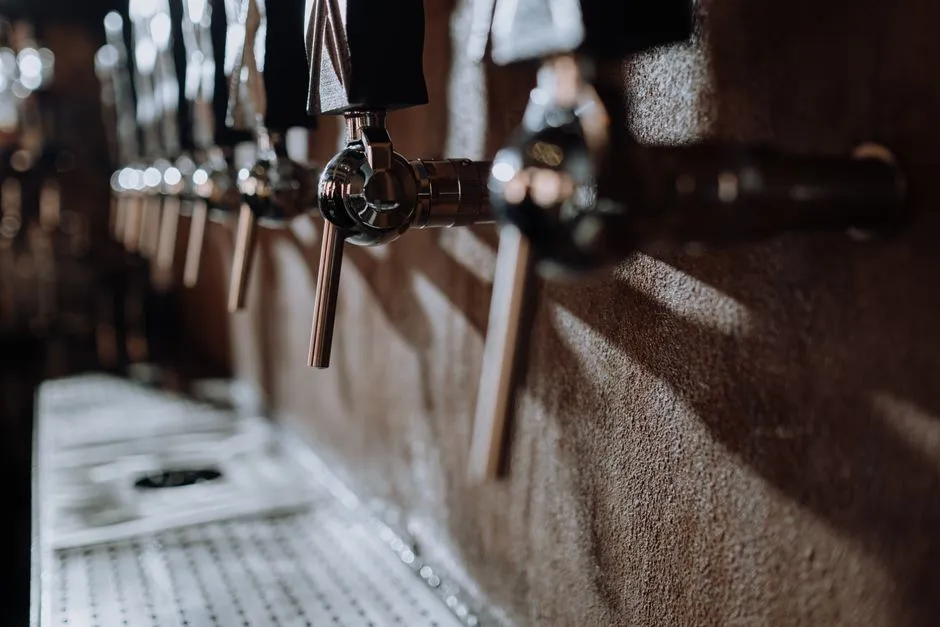
The Best Breweries in Pittsburgh, Neighborhood by Neighborhood
The best breweries in Pittsburgh cluster in a handful of walkable neighborhoods: Lawrenceville and the Strip District for sheer density, Millvale and Sharpsburg just across the Allegheny for destination-worthy taprooms, and the North Side for the city's German lager tradition. No single brewery defines the scene — its strength is variety. Hop-forward pale ales, wood-aged saisons, and old-school Vienna lagers all have a serious local address, usually within a short drive of each other.
A quick note before you plan a visit: taproom hours and taplists change constantly in this industry. Treat everything below as a starting map, and confirm current hours with the brewery before you go.
Lawrenceville, Bloomfield, and the Strip District: The Densest Stretch
If you only have one afternoon, spend it along Butler Street and the streets around it. Lawrenceville has the highest concentration of breweries in the city, Bloomfield sits one neighborhood over, and the Strip District is a few minutes downriver.
- The Church Brew Works — A brewery built inside a restored former Catholic church on Liberty Avenue, with the brewhouse standing where the altar once did. It opened in 1996, making it one of the elder statesmen of Pittsburgh craft beer, and the room itself is worth the trip even before you order.
- Cinderlands Beer Co. (Lawrenceville) — The Butler Street taproom that made the brewery's name, known for rustic, wood-influenced saisons alongside clean modern hoppy beers. The food program is a genuine draw, not an afterthought.
- Cinderlands Warehouse (Strip District) — The same brewery's much larger Smallman Street location, and its main production site: two floors, a full scratch kitchen, and enough room that it rarely feels crowded. If the Lawrenceville taproom is the tasting room, this is the hall.
- Trace Brewing — Bloomfield's community-minded taproom, pouring a rotating mix of lagers, pales, and mixed-fermentation beers in a big, welcoming space that regularly hosts local events.
For the story of how this neighborhood went from steel-era bars to a brewery row, our history of Pittsburgh beer traces the whole arc.
Millvale and Sharpsburg: Across the Allegheny
Two small river boroughs just outside the city line punch far above their weight, and they anchor any serious "best of" conversation.
- Grist House Craft Brewery — A Millvale favorite in a converted industrial building, best known for its lively outdoor space and a lineup that runs from crisp lagers to hazy IPAs and big stouts. On a warm Saturday, the yard is one of the region's best beer-drinking settings.
- Dancing Gnome — The area's benchmark for hop-forward beer. Pale ales and IPAs dominate the board, and hop-obsessed drinkers from well outside Pittsburgh make the trip to its Main Street taproom in Sharpsburg.
- Hitchhiker Brewing — A broad, well-made range of hoppy beers, saisons, and rotating experiments. The brewery started as a small taproom in Mt. Lebanon; the roomier Sharpsburg production brewery opened later and is the one that fits neatly onto a river-borough itinerary.
North Side and Troy Hill: The Lager Tradition
Before the modern craft wave, Pittsburgh brewing meant German lager, and one address still carries that thread unbroken.
- Penn Brewery — Pittsburgh's oldest operating craft brewery, founded in the 1980s in the historic Eberhardt & Ober brewery buildings on Troy Hill. It built its reputation on German-style beers — Penn Pilsner most famously — and the biergarten-style setting connects directly to the city's immigrant brewing roots, a story covered in depth in our Beer History & Culture section.
East End and South Hills: Worth the Detour
- East End Brewing Company — One of the city's earliest modern craft breweries, founded in 2004 and long associated with Big Hop, an amber-leaning IPA that became a hometown standard. Its Larimer taproom is low-frills and beer-first.
If you're staying south of the city, Hitchhiker's original Mt. Lebanon taproom (above) is the easiest good beer in the South Hills.
A Simple Brewery Tour Route
You can turn the highlights into a relaxed self-guided tour without ever getting on a highway. One proven route:
- Start in Lawrenceville — The Church Brew Works, then walk or take a short ride from Liberty Avenue over to Butler Street and Cinderlands.
- Cross the 40th Street Bridge to Millvale — Grist House is minutes from Lawrenceville by car or rideshare.
- Finish in Sharpsburg — Dancing Gnome and Hitchhiker sit close together, an easy final stop.
That's five taprooms across three neighborhoods with very little transit time. Pace yourself with flights or half pours, eat along the way, and use rideshares between stops — every leg of this route is a short hop, and none of it is worth driving after drinking.
How to Choose, at a Glance
| If you want... | Go to | Neighborhood |
|---|---|---|
| Hop-forward pales and IPAs | Dancing Gnome | Sharpsburg |
| A one-of-a-kind room | The Church Brew Works | Lawrenceville |
| Outdoor drinking with a crowd | Grist House | Millvale |
| German lagers and history | Penn Brewery | Troy Hill / North Side |
| Saisons and a great menu | Cinderlands | Lawrenceville / Strip District |
| A big, low-key community room | Trace Brewing | Bloomfield |
| Range, from hoppy to funky | Hitchhiker Brewing | Sharpsburg / Mt. Lebanon |
| A classic local IPA | East End Brewing | Larimer |
The Honest Bottom Line
There is no single best brewery in Pittsburgh — there's a best brewery for what you're in the mood to drink. The best craft beer in Pittsburgh is spread across a dozen small, independent taprooms rather than concentrated in one, and that's the point: the top options are genuinely different from one another and close enough to visit in a single afternoon. Start with the Lawrenceville-to-Sharpsburg corridor, branch out from there, and always check hours before you head out the door.